

The Klamath Mountains are shaped by movement — rivers carving canyons, fire renewing forests, salmon returning upstream, and people traveling trails that connect communities across Northwest California.
Now, a new generation is stepping onto those trails.
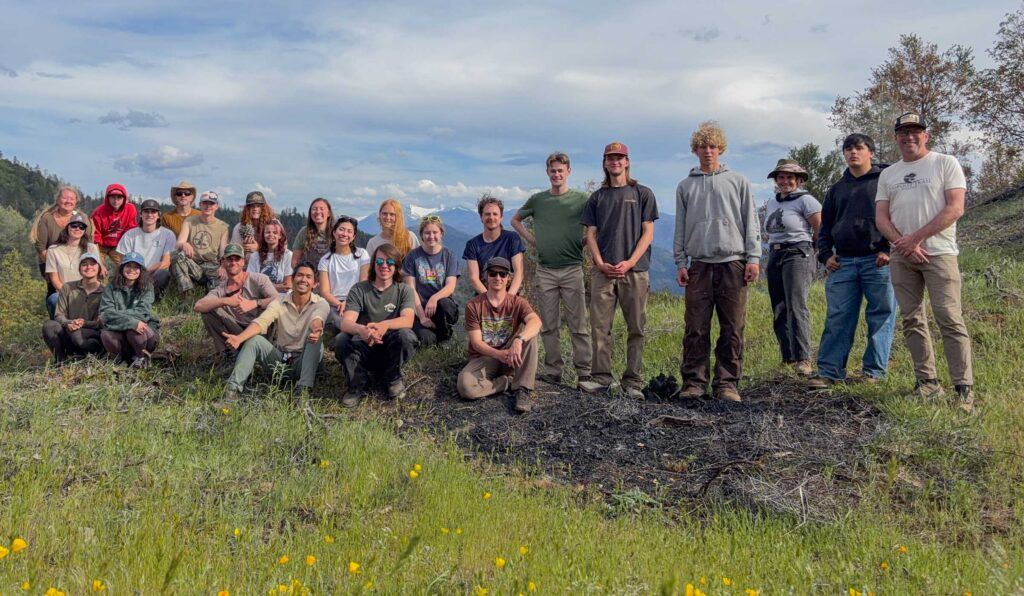
The Klamath Mountain Workforce Training Network, is a regional collaborative helping young people gain hands-on experience in trail stewardship, ecological restoration, outdoor leadership, and conservation-based career pathways.
Through conversations recorded in the field and beside wild rivers, this podcast shares the voices of youth crews and mentors working together to care for the landscapes of the Klamath Mountains.
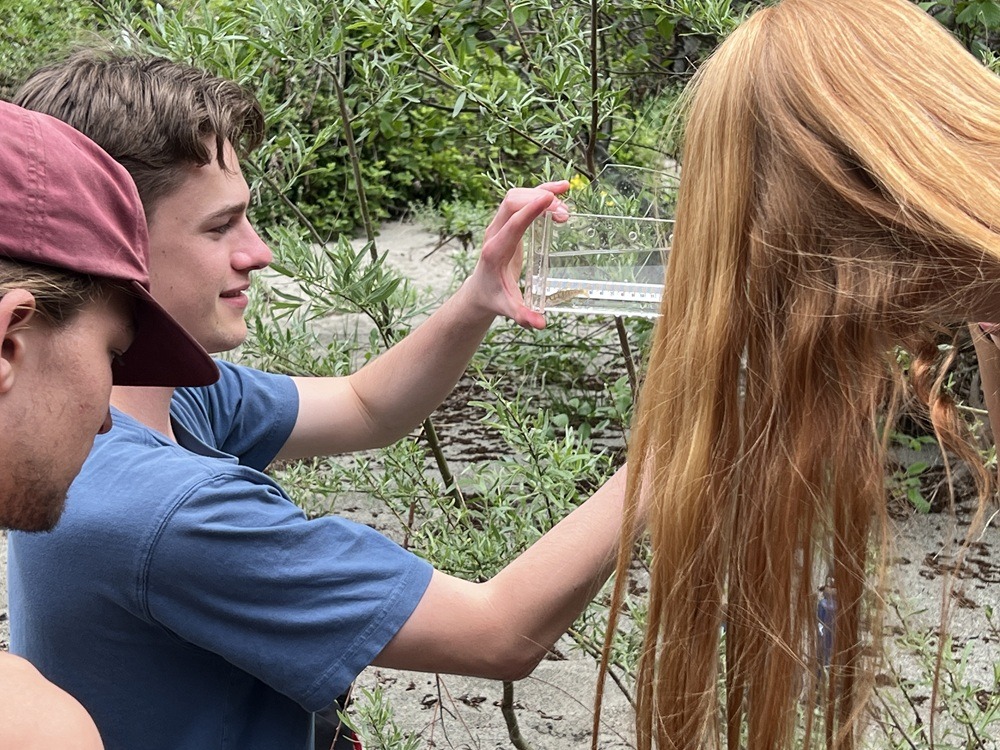
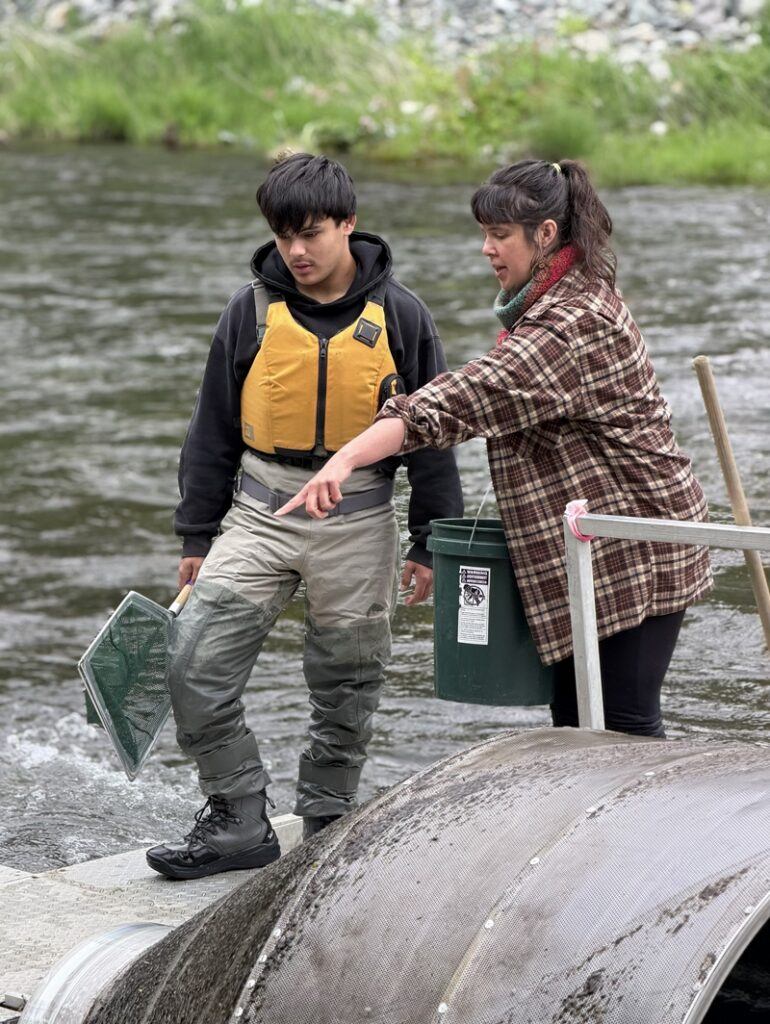
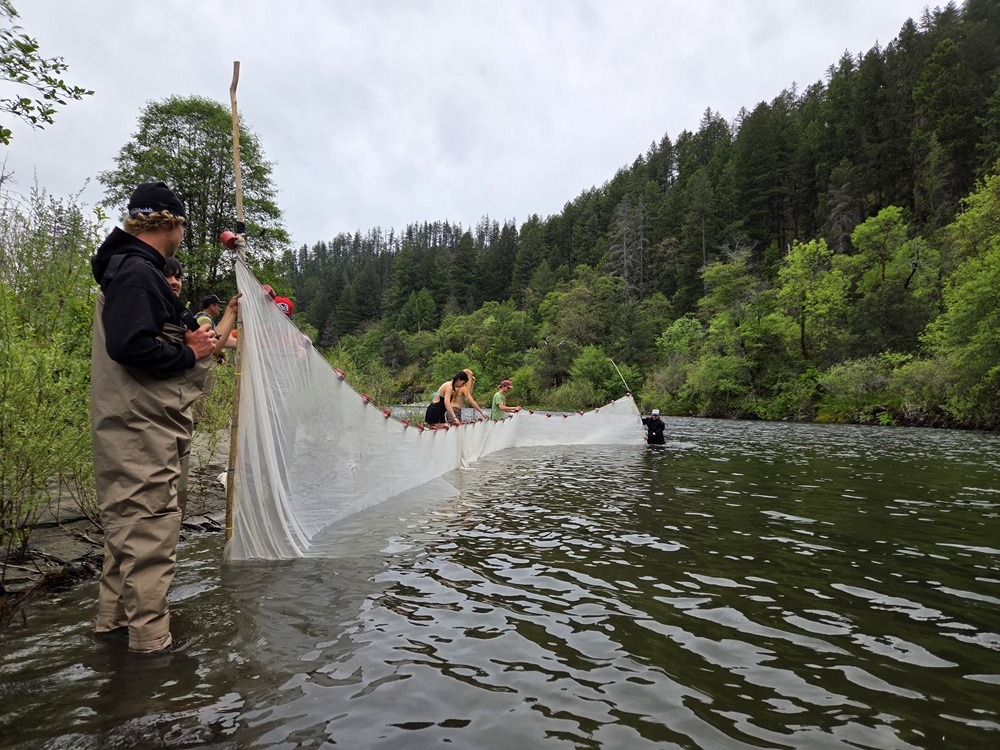
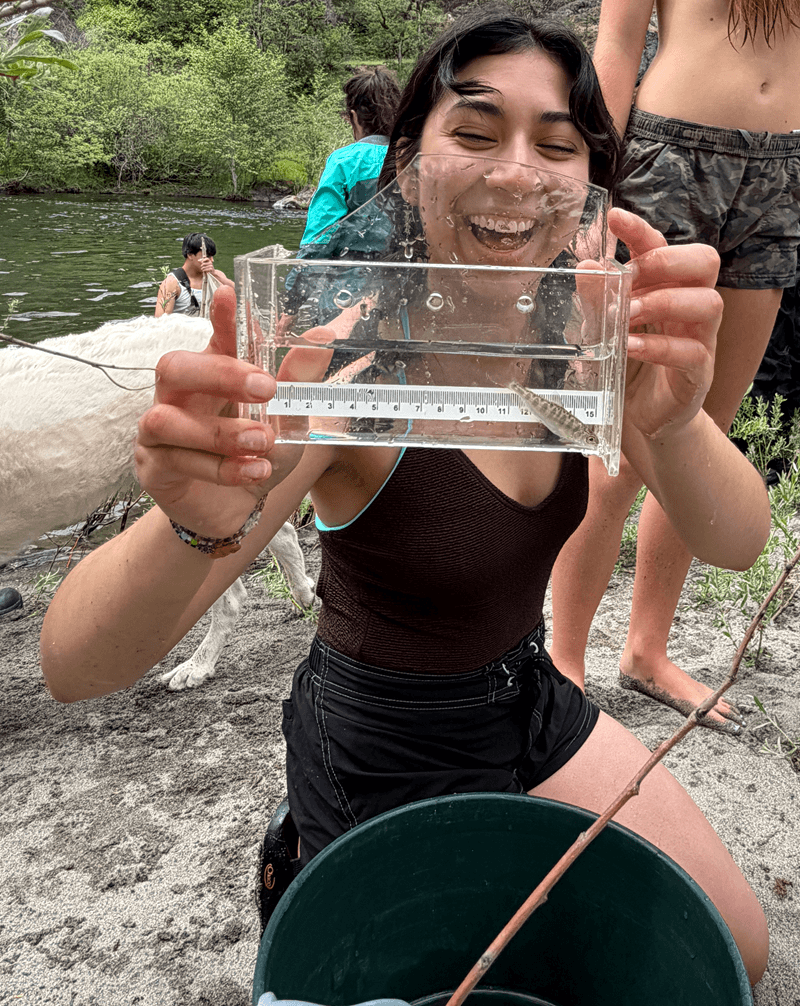
The network is powered through collaboration between the Bigfoot Trail Alliance, Ascend Wilderness Experience, Scott River Watershed Council, Salmon River Restoration Council, Trinity Together, The Watershed Research and Training Center, Trinity County Resource Conservation District, and regional Tribal governments and youth leaders.
Funding support for this work comes from the SH Cowell Foundation, Humboldt Area Foundation’s Klamath River Fund, and Redding Rancheria Community Fund at Community Foundation of the North State.
Whether you are interested in stewardship, restoration, public lands, youth empowerment, or simply the stories that emerge when people spend meaningful time outdoors, we invite you to follow along.
This is more than workforce training. It is about building connection, resilience, skills, and belonging through work rooted in the land itself.
Transcript
Overview
The Bigfoot Trail Tales podcast explores the Klamath Mountain Workforce Training Network, which unites youth, nonprofits, Tribes, and conservation groups to train the next generation of land stewards. The program focuses on trail restoration, wilderness stewardship, and ecological monitoring. Key speakers include Mike Splain, who hopes students gain life skills and tools for environmental improvement; Lori Lyn Acosta, who highlights fire suppression and climate change impacts; Aaron Joseph Martinez, who emphasizes youth collaboration and fun; and Dan Scollon, who discusses the importance of GIS in data management. The program aims to build confidence, resilience, and practical skills in young people, fostering a connection to community and public lands.
Outline
Klamath Mountain Workforce Training Network Overview
- Michael Kauffmann introduces Bigfoot Trail Tales, focusing on landscapes, people, and stories in Northwest California.
- The Klamath Mountain Workforce Training Network brings together various stakeholders to train the next generation of land stewards.
- The program focuses on trail restoration, wilderness stewardship, ecological monitoring, watershed recovery, fire ecology, and outdoor leadership.
- The goal is to build confidence, resilience, practical skills, and pathways towards meaningful careers rooted in stewardship.
Mike Splain’s Vision for Students
- Mike Splain, Development Director and Program Manager, hopes students gain life skills and tools to improve the Klamath Mountains region.
- He emphasizes the importance of students being able to make their communities better than they found them.
- The program aims to prepare students for future careers, whether they stay in the region or pursue higher education.
Lori Lynn Acosta’s Perspective on Ecosystem Challenges
- Laura Lynn Acosta, a botany student from Cal Poly Humboldt, discusses the most pressing challenges facing the Klamath ecosystem.
- She highlights the negative impacts of fire suppression and climate change on ecosystems and biodiversity.
- The conversation touches on the importance of understanding these challenges to address them effectively.
Aaron Joseph Martinez’s Role and Learnings
- Aaron Joseph Martinez, a facilitator with Trinity Together, engages youth in natural resource goals and community awareness.
- He learns from youth about finding joy in simple activities and their ability to collaborate and solve problems.
- The program helps youth find like-minded individuals and pursue their goals together.
Braylon Evans’ Unexpected Learning
- Braylon Evans shares an unexpected learning from a talk with a fisheries biologist from the Karuk Tribe about fish migration patterns.
- He learns about the genetic traits affecting fish migration and the impact of crossbreeding on fish populations.
- The conversation highlights the importance of understanding natural processes and their implications.
Dan Scollon’s Hope for the Next Generation
- Dan Scollon, a geographer and educator, finds hope in young minds engaged in learning about the natural environment.
- He discusses the connection between fieldwork and GIS (Geographic Information System) data management.
- The program aims to inspire students to pursue careers in resource management and data analysis.
Eugene Coleman’s Vision for Human Interaction with the Land
- Eugene Coleman emphasizes the need for more human interaction with the land to sustain it.
- He believes involving more youth and demonstrating the benefits of land stewardship is crucial.
- The conversation touches on the importance of advertising and making land stewardship programs more accessible and enjoyable.
Jessica Hanscom’s Teaching Approach
- Jessica Hanscom, from the Salmon River Restoration Council, connects teaching with both head and heart.
- She focuses on helping students understand the meaningful aspects of their work and the reasons behind their activities.
- The approach aims to foster a deeper connection between students and the natural environment.
Leroy Conway’s Experience and Story
- Leroy Conway, from McLeod, California, shares his experience and the friends he made during the program.
- He enjoys meeting people with similar interests in geology, science, and outdoor activities.
- The conversation highlights the importance of community and shared experiences in land stewardship.
Survey Techniques and Final Thoughts
- The group discusses different survey techniques for electrofishing and the importance of being careful with mud.
- The conversation emphasizes the practical aspects of fieldwork and the importance of data collection.
- The program aims to inspire students to pursue careers in natural resource management and conservation.
Closing Remarks and Acknowledgments
- Michael Kauffmann thanks listeners for joining Bigfoot Trail Tales.
- The Klamath Mountain Workforce Training Network is supported by various funding sources and partners.
- The program aims to build the next generation of land stewards through educational and recreational opportunities.
Leave a Reply